Current condition
Retain the assembly and sample identity, expected decisions and actual visible features with the current camera views and location method. Record the lighting, presentation and timing represented by each observation.
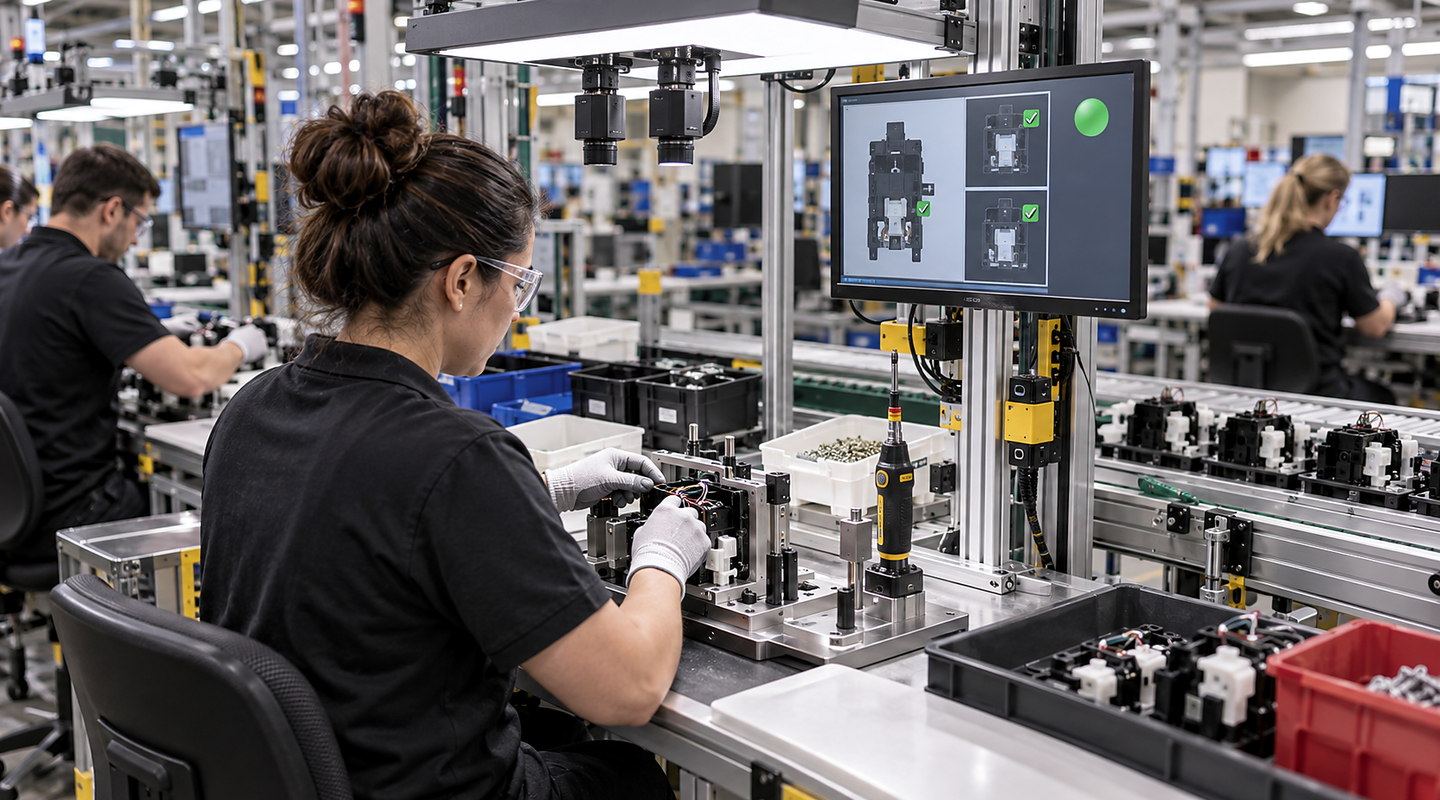
Agree gasket-inspection challenges using identified sample decisions, missing sections, twists, displacement, visible features, false accepts/rejects and uncertain-result records.
Agree an expected result for each separate presence, position, visible seating and damage check before trials. Include correct assemblies, acceptable variation and relevant missing-section, twisted, displaced and marginal examples. Use the agreed camera views, location method, presentation and timing, retaining failed and uncertain results as well as passes.
Use the inspection comparison requirements with the sample and result checklist. Count false accepts and false rejects separately and check the agreed handling response; an uncertain result must not be silently counted as an accepted assembly.
Plan gasket presence inspection around representative good, bad and marginal samples, line presentation, lighting, reject handling and challenge criteria. Discuss an optical feasibility trial with Oxford Vision Systems. Use this guide to resolve false-accept, false-reject and challenge criteria before it limits the final system.
Discuss your application

Retain the assembly and sample identity, expected decisions and actual visible features with the current camera views and location method. Record the lighting, presentation and timing represented by each observation.
Challenge correct, missing-section, twisted and displaced assemblies where relevant, with normal variation and marginal cases. Keep the expected result for each separate check and identify hidden or unproved conditions.
Record false accepts, false rejects and uncertain decisions separately. Check recipe and line-control handover, assembly/result association and the agreed reject or other handling response with unresolved cases retained.
Define presence, position, visible seating and damage as separate decisions. State the acceptable boundary and the smallest unacceptable examples for each check, identifying features hidden after assembly or needing a separate test.
Provide identified correct assemblies, missing sections, twists and displaced gaskets where relevant. Include acceptable variation and marginal cases with an expected decision for each separate check.
Show how the real assembly is presented, the range of location variation and the representative production speed. Retain the views and timing conditions actually trialled rather than generalising from a single still sample.
Agree the proposed camera views and location method for features visible after assembly. Trial the lighting and presentation with the actual assemblies and retain the arrangement, observed visibility and any blind areas.
Agree recipe selection and the response to a failed or uncertain decision with the receiving line. Keep the inspected assembly linked to its result and define who owns the reject or other handling response in scope.
Compare expected and recorded decisions for each identified sample and check. Separate unacceptable assemblies accepted, acceptable assemblies rejected and uncertain decisions, with agreed repetitions and follow-up for unresolved cases.